The spectrum of money transfer methods spans from time-honored services to cutting-edge digital innovations. As the payments industry marches towards a projected $3 trillion peak by 2026, it is shaping an era of unprecedented growth and groundbreaking change (Source: McKinsey & Company). Let’s dive into the diverse payment options serving individuals and enterprises today.
Bank Transfers:
One of the most common methods, involving the direct transfer of money from one bank account to another. This can be done via:
Wire Transfers:
Often used for quick, secure transfers, especially internationally.
Automated Clearing House (ACH) Transfers:
Automated Clearing House is a computer based local network for cost-effective low value local transfers. It processes large volume of debit and credit transactions in batches. There are more than 93 ACH systems working around the world. ACH is preferred for regular, non-urgent payments.
Real-Time Gross Settlement (RTGS) Systems
RTGS systems facilitate the instant transfer and settlement of high-value transactions between banks on a “real-time” basis, and on a “gross” basis, meaning transactions are settled individually without netting debits with credits.Primarily, used for large, critical transfers that need to be settled immediately, such as interbank transfers or large corporate payments.
SEPA Transfers:
The Single Euro Payments Area facilitates bank transfers in the Euro across the European Union.
Online Payment Services:
Digital platforms:
Like PayPal, Venmo, and Stripe allow users to transfer money to others using email or mobile apps.
Mobile Wallets:
Services like Apple Pay, Google Wallet, and Samsung Pay let you store card information and transfer funds through your smartphone.
Peer-to-Peer (P2P) Transfer Services:
Apps like Zelle, Cash App, and others allow instant transfers between individuals, often without fees for basic services.
Cryptocurrency Transfers:
Utilizing blockchain technology, cryptocurrencies like Bitcoin, Ethereum, and others can be transferred globally without the need for traditional banking infrastructure.
Money Transfer Services:
Companies like Western Union and MoneyGram allow for cash pickups and transfers without the need for bank accounts.
Checks:
Writing a paper check is a traditional method of transferring funds from one person to another or between accounts.
Money Orders:
Purchased with cash for the amount desired, money orders are a secure way to send funds through the mail or for situations where checks are not accepted.
Bank Drafts and Cashier’s Checks:
These are guaranteed by a bank, used for larger amounts, and are more secure than personal checks.
Direct Deposit:
Commonly used for payroll, this method automatically deposits funds from the payer’s account into the payee’s account on specified dates.
Foreign Exchange Brokers:
Specialised services for converting and transferring money in different currencies for international transactions are provided by individuals.
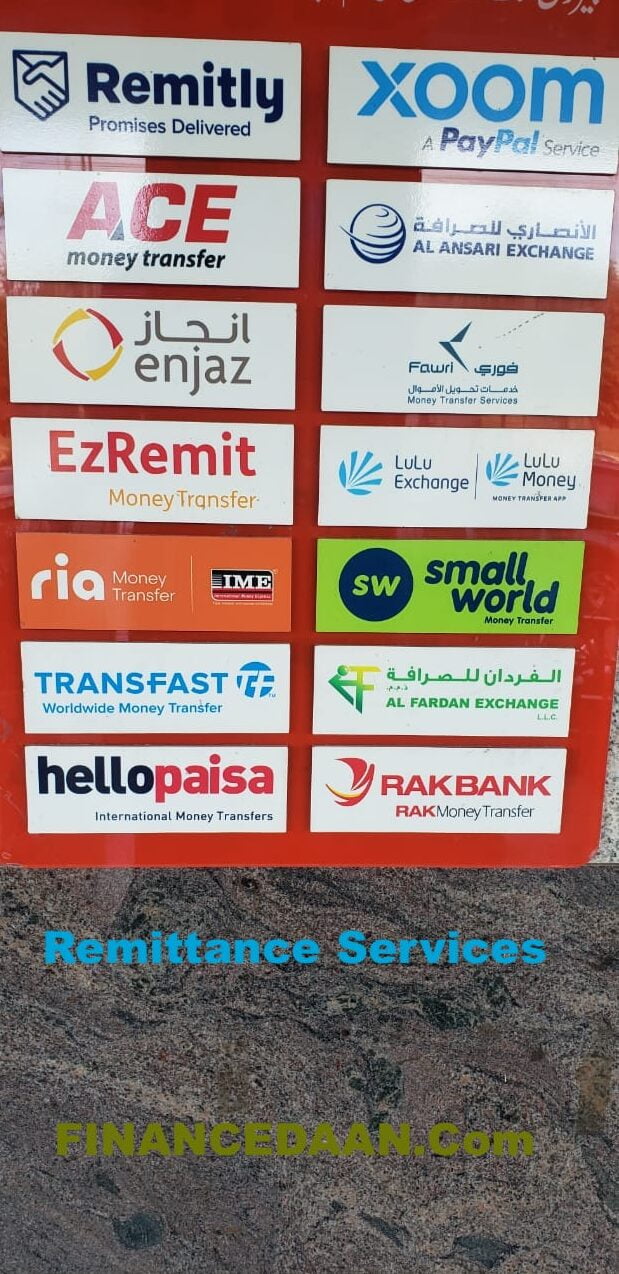
Remittance Services: Often used by individuals working abroad to send money back to their home country.
A SWOT analysis of various payments methods
| Money Transfer Method | Strength | Weakness | Opportunities | Threats |
|---|---|---|---|---|
| Bank Transfers (Wire, ACH, SEPA) | Highly secure, trusted, and widely accessible | Can be slow for international transfers; often involve fees and require bank accounts | Potential for blockchain to speed up settlements; open banking could facilitate data sharing | Vulnerability to cyberattacks; challenged by faster, less expensive methods |
| Telegraphic Transfers (TT) | Fast and secure for international transfers | Higher fees; requires recipient and sender to have bank accounts | Integration with fintech for enhanced user experience; competitive fee structures | Strong competition from e-wallets and blockchain technology |
| Real-Time Gross Settlement (RTGS) | Immediate settlement; ideal for large-value transactions | Usually limited to business hours; can be expensive for smaller transfers | Adoption of 24/7 processing; potential for global standardisation | Emergence of blockchain solutions offering similar benefits at lower costs |
| Online Payment Services (PayPal, Venmo) | User-friendly, convenient, free for basic personal use | Fees for international transfers and business usage; some security risks | Growth opportunities in new markets; possible integration with broader financial services | Rising regulatory pressures; competition from new digital wallets |
| Mobile Wallets (Apple Pay, Google Pay) | Offers contactless payments, enhanced security, increasing merchant acceptance | Limited to certain devices; not universally accepted for online transactions | Potential expansion into broader payment areas; integration with rewards programs | Potential for security breaches; dependency on specific tech ecosystems |
| P2P Transfer Services (Zelle, Cash App | Instant transfers, free for personal use, increasing user base | Domestic restrictions for some services; transfer limits may apply | Opportunities to move into international markets; possible social media integrations | Faces regulatory scrutiny; competition from traditional banking systems |
| Money Transfer Services (Western Union) | Accessible for those without bank accounts; quick cash availability | Higher transaction fees; limited payment methods | Digital service expansion; strategic bank partnerships | Competition from mobile and P2P platforms; cost-effective alternatives |
| Cryptocurrency Transfers | Quick, worldwide reach, enhanced security features | Market volatility, regulatory gray areas, user complexity | Growing acceptance among businesses; development of simpler interfaces | Risks of regulatory clampdowns; security issues; environmental impact concerns |
| Money Orders/Bank Drafts | Safe for one-off transactions; do not require a bank account | Purchase costs; potentially slow and cumbersome processing | Online purchase and validation integration | Decreasing relevance with the rise of digital payment options |
| Direct Deposit | Ideal for regular payments; secure and convenient | Limited to bank account holders; may not support all payment types | Synergy with on-demand wage services; push into real-time payments | Cybersecurity risks; potential for transactional errors |
| Remittance Services | Essential for international support; caters to global workers | Expensive fees; accessibility issues in remote areas | Collaborations with mobile wallets for more efficient transfers; financial inclusion initiatives | Strict regulatory environments; rivalry from P2P and crypto services |
| Foreign Exchange Brokers | Access to competitive exchange rates; personalized service | Not as instantaneous as some digital methods; potential for hidden fees | Digital platform development for real-time trading; mobile app integration | Increased competition from online currency exchange platforms; regulatory changes |
Some Additional Methods for Payment Transfer
Interbank Networks
- SWIFT: The Society for Worldwide Interbank Financial Telecommunication provides a network that enables financial institutions worldwide to securely exchange information about financial transactions. It’s pivotal for international wire transfers.
- Fedwire: Operated by the Federal Reserve Banks, it’s a real-time gross settlement system that allows instant clearing of high-value payments in U.S. dollars among member banks.
Digital Currency and Payment Platforms
- Central Bank Digital Currencies (CBDCs): Digital forms of fiat money issued by central banks. Though still in the experimental phase in many countries, CBDCs represent a future method for secure and efficient digital payments.
- E-commerce Payment Gateways: Systems like Shopify Payments or Magento Commerce, which facilitate online transactions for businesses and consumers, seamlessly integrating with websites for retail transactions.
Social Media and Communication Platform Payments
- WeChat Pay: A popular payment feature integrated into WeChat, China’s largest social media and messaging service, allowing for mobile payments and money transfers.
- Facebook Pay: Available in select countries, this service enables users to send money to friends, pay for purchases, and donate within Facebook, Instagram, WhatsApp, and Messenger platforms.
Contactless Payments
- NFC Payments: Near Field Communication technology allows for contactless credit and debit card payments by tapping a card near a point-of-sale terminal equipped with NFC.
- QR Code Payments: Users can make payments by scanning a QR code at a merchant’s checkout or through an app, popular in various countries for its simplicity and low entry barrier for merchants.
Remittance Corridors (Hawala):
- Informal Value Transfer Systems (IVTS): Traditional systems like Hawala, an informal method of transferring money without actual movement of funds, primarily based on trust and extensive use in Middle Eastern, African, and South Asian countries. A network of Hawala brokers (Hawaladars) uses a system of trust and balances to settle transactions, often bypassing formal banking systems and regulatory scrutiny.
- Investment and Financial Management Transfers
- Brokerage Account Transfers: Moving funds between investment accounts or from a bank to a brokerage account for the purpose of investment, using systems like the Automated Customer Account Transfer Service (ACATS) developed by National Security Clearing Corporation in the U.S.
- Health Savings Account (HSA) and Flexible Spending Account (FSA) Transfers: For those with HSAs or FSAs, transferring funds to healthcare providers or to pay for eligible expenses directly from these accounts.
Innovative Financial Technologies
Blockchain-based Remittance Services:
Companies leveraging blockchain technology to facilitate cheaper and faster cross-border money transfers without the need for traditional banking infrastructure.
Decentralized Finance (DeFi) Platforms:
Offer peer-to-peer financial services on blockchain networks, including lending, borrowing, and direct cryptocurrency transfers, eliminating the need for traditional financial intermediaries.
Historical Evolution of Payment methods: Before the widespread adoption of digital payment platforms and the various specialised services we have today, several traditional methods were used for cross-border payments, in addition to Telegraphic Transfer (TT). Each of these methods has its unique characteristics, benefits, and drawbacks. Here’s an overview:
Telegraphic Transfer (TT)
- TT was one of the earliest and most common methods for sending money across borders. It involved the electronic transfer of funds from one bank account to another through a network of banks or transfer agencies. Despite being relatively secure and reliable, TT transfers can be expensive due to high bank fees and unfavorable exchange rates.
Mail Transfer
- Before electronic transfers became commonplace, people often sent money internationally through mail transfers. This involved sending a bank draft or a cashier’s check by postal mail. Although it was a viable option, mail transfers were slow and posed risks of loss or theft.
Bank Drafts and Cashier’s Checks
- Bank drafts and cashier’s checks were also used for international payments. These are pre-paid checks drawn on a bank’s funds after taking the payer’s cash. They were more secure than personal checks because they were guaranteed by the issuing bank but required the recipient to deposit them in a bank, which could be inconvenient and time-consuming.
Money Orders
- Money orders were a popular method for sending funds abroad, especially for those without access to bank accounts. They could be purchased at post offices, banks, and sometimes retail stores, then mailed to the recipient who could cash them at their local post office or bank. Money orders were relatively affordable but had limits on the amount you could send.
Foreign Exchange Brokers
- For large transactions, individuals and businesses sometimes used foreign exchange brokers to get better exchange rates and reduce costs on international money transfers. Brokers could negotiate rates directly with the banks and offer more personalized service, but this method was typically used for significant amounts of money.
Hawala
- An informal method of transfer, the Hawala system, has been used for centuries in Middle Eastern, African, and South Asian countries. It involves transferring money without actually moving it.
Physical Transportation of Cash or Valuables
- In some cases, particularly where banking systems were not accessible or trustworthy, individuals and businesses resorted to physically transporting cash or valuable items (like gold) across borders. This method poses obvious security risks and is subject to customs regulations and declarations.
As the global financial landscape has evolved, these traditional methods have largely been supplanted or complemented by digital and online services that offer greater speed, security, and convenience for international transactions.
New Insight and Future Trends:
The future of money transfers is unfolding rapidly, driven by the integration of financial services into non-financial platforms—known as embedded finance—which is blurring the lines between banking and daily life. As traditional banks incorporate digital wallet features and P2P platforms adopt cash pickup services, the realm of finance is becoming increasingly seamless and intertwined with other services. The growth of open banking is enabling this trend, offering consumers speed and personalization at unprecedented levels. The adoption of real-time payments further catalyzes this shift, indicating that instant financial transactions may soon become commonplace. Meanwhile, the technological thrust toward inclusivity promises to extend financial services to the unbanked, leveraging tools like biometrics and blockchain for enhanced security and efficiency. As we embrace these innovations, the prudent regulation of these burgeoning technologies will be critical to ensure they serve the best interests of consumers and the stability of the financial system. Embedded finance stands out as a transformative force, poised to redefine the ecosystem of payments and democratise access to financial services in this new era.
Interested in knowing more about money transfer
Ditch the Bulk: Mobile Wallets vs. Banking Apps – Which Wins?